The latest white paper from Intellisense Systems explores two different ways to measure visibility, and which method works best for particular applications.
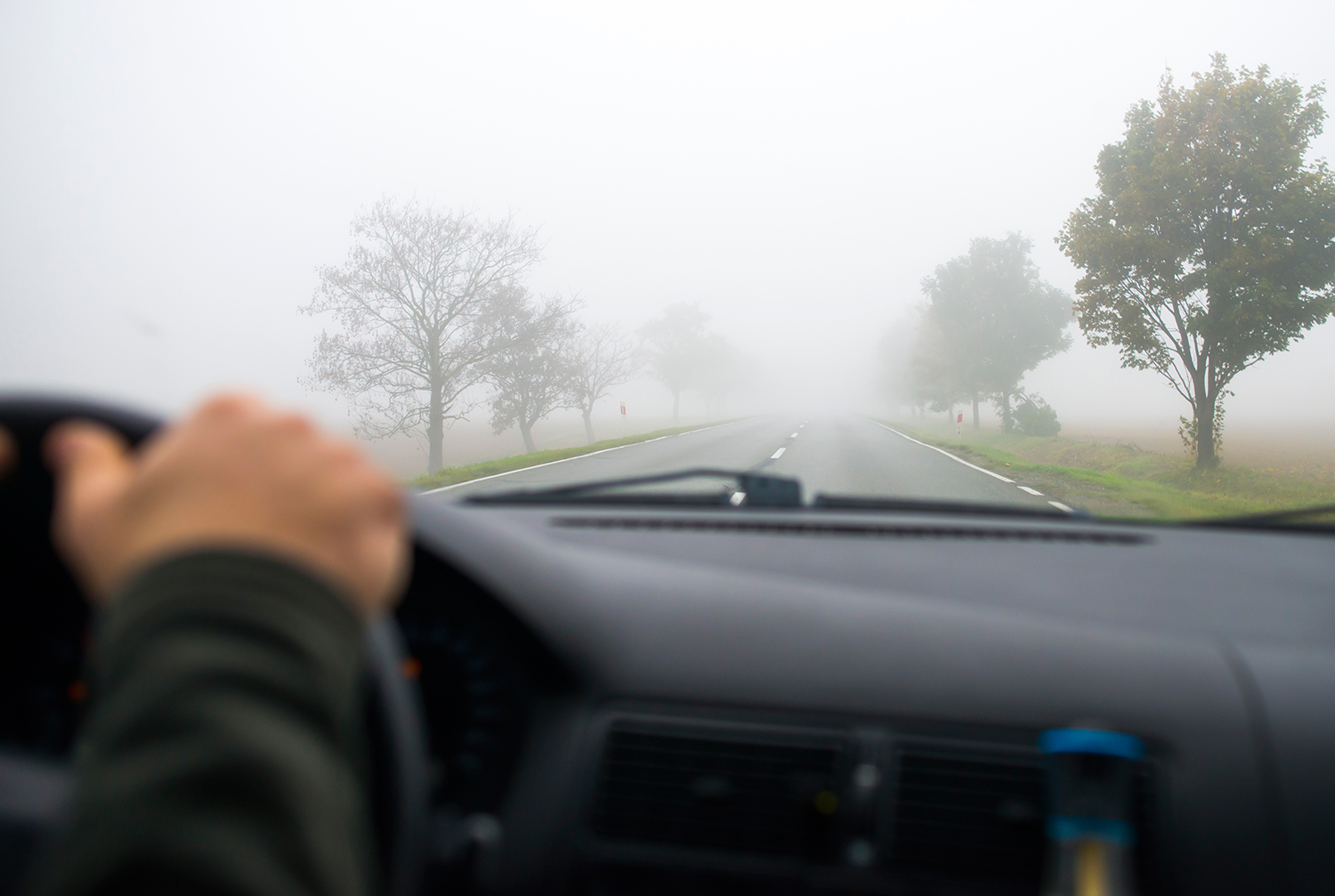
While it’s not typically viewed as an extreme weather event, fog can pose immense dangers for communities and industries, particularly in the areas of road traffic, air travel, and maritime operations. In the United States along, over 38,700 vehicle crashes occur in fog each year, resulting in nearly 600 deaths. Other severe weather events like thunderstorms, blizzards, and wildfires can have an adverse effect on visibility and put lives in jeopardy. Therefore, visibility measurements are critical to keep people and property safe.
Visibility defines the distance at which a person or object can be identified. Unfortunately, obtaining an accurate visibility measurement is difficult. Visibility sensors must capture a wide variety of atmospheric phenomenon, including fog, rainfall, snow, and smoke, which all diffuse light in different ways. The World Meteorological Organization posits that most visibility measurements have a 10-20% error rate due to small misalignments in the sensor. The accuracy of a visibility measurement also depends on the surrounding environment and orientation. While road and maritime weather systems focus on horizontal visibility, aircraft pilots need to calculate vertical and slant visibilities to ensure safe landings.
Meteorologists primarily use two types of sensors to assess visibility:
Transmissiometers
Optical Scatterometers
Transmissiometers make a direct observation of the area by using two collimated lasers and a receiver positioned at some distance away (usually 30-70 meters apart). They are ideal for capturing key visibility information like runway visual range (RVR) at an airport. Meanwhile, an optical scatterometer measures how much light is scattered or diffused in the atmosphere in front of the sensor by employing a light source and a receiver. Thanks to this methodology, they are far more compact and cost-efficient.
But of these two visibility-measuring instruments, which one is best? This white paper explores the advantages and disadvantages of different visibility sensing solutions, and which ones best fit your needs. Download the free full paper today by completing the form.
 While it’s not typically viewed as an extreme weather event, fog can pose immense dangers for communities and industries, particularly in the areas of road traffic, air travel, and maritime operations. In the United States along, over 38,700 vehicle crashes occur in fog each year, resulting in nearly 600 deaths. Other severe weather events like thunderstorms, blizzards, and wildfires can have an adverse effect on visibility and put lives in jeopardy. Therefore, visibility measurements are critical to keep people and property safe.
Visibility defines the distance at which a person or object can be identified. Unfortunately, obtaining an accurate visibility measurement is difficult. Visibility sensors must capture a wide variety of atmospheric phenomenon, including fog, rainfall, snow, and smoke, which all diffuse light in different ways. The World Meteorological Organization posits that most visibility measurements have a 10-20% error rate due to small misalignments in the sensor. The accuracy of a visibility measurement also depends on the surrounding environment and orientation. While road and maritime weather systems focus on horizontal visibility, aircraft pilots need to calculate vertical and slant visibilities to ensure safe landings.
Meteorologists primarily use two types of sensors to assess visibility:
While it’s not typically viewed as an extreme weather event, fog can pose immense dangers for communities and industries, particularly in the areas of road traffic, air travel, and maritime operations. In the United States along, over 38,700 vehicle crashes occur in fog each year, resulting in nearly 600 deaths. Other severe weather events like thunderstorms, blizzards, and wildfires can have an adverse effect on visibility and put lives in jeopardy. Therefore, visibility measurements are critical to keep people and property safe.
Visibility defines the distance at which a person or object can be identified. Unfortunately, obtaining an accurate visibility measurement is difficult. Visibility sensors must capture a wide variety of atmospheric phenomenon, including fog, rainfall, snow, and smoke, which all diffuse light in different ways. The World Meteorological Organization posits that most visibility measurements have a 10-20% error rate due to small misalignments in the sensor. The accuracy of a visibility measurement also depends on the surrounding environment and orientation. While road and maritime weather systems focus on horizontal visibility, aircraft pilots need to calculate vertical and slant visibilities to ensure safe landings.
Meteorologists primarily use two types of sensors to assess visibility:
