The newest case study from Intellisense looks at three critical aircraft in the U.S. Military and how they were modernized with advanced avionics systems and rugged displays.
The United States and its allies have maintained their military might over any potential enemy by amassing the world’s largest fleet of advanced military aircraft. Cargo planes, strategic bombers, and utility helicopters have ensured success in several armed conflicts and maintained relative peace in the Western world throughout the 20th and 21st centuries. But the increasing speed of technological advancement affects the efficacy of this aircraft and threatens that peace. These planes and helicopters must be maintained and modernized to preserve domain superiority against any adversary. They must also complete critical operations in a diverse array of locations, from the mountains of Afghanistan to north of the Arctic Circle.
Here are three of the most widely used aircraft in the U.S. Armed Forces and how they were nearly rendered obsolete by outdated systems and parts with limited availability:
1. The C-5 Galaxy Cargo Plane
The C-5 Galaxy is the world’s third largest airplane currently in service. First flown in 1968, the C-5 can fly up to 1,000 tons of large equipment (including helicopters, battle tanks, and Humvees) to anywhere on the planet. With these capabilities, however, come costs. Operating such a large and heavy aircraft as the C-5 requires several complex systems to keep upwards of 1,000 tons in the air. Due to its extremely high maintenance and fuel demands, the plane has the highest operating cost of any U.S. Air Force (USAF) program. Addressing these issues would require either a retrofit of the C-5’s avionics systems so that it could fly in civilian airspace, or to purchase new cargo aircraft to supplement the C-5’s operations.
2. The B-52 Stratofortress Strategic Bomber
After seven decades in service, the B-52 Stratofortress has become synonymous with the concept of strategic bombers. They limit the risks of sending military personnel into hostile terrain and are instrumental in asymmetric warfare and peacekeeping operations. For instance, during the Cold War, the USAF employed strategic bombers to perform patrols and send airborne alerts to monitor and prevent nuclear action from the Soviet Union. However, the pods responsible for detecting and identifying targets featured outdated monitors with low resolution and no color imagery. The USAF would have to leverage advanced, full-color, high-resolution displays to maintain the effectiveness of the B-52’s peacekeeping missions and minimize collateral damage.
3. The UH-60 Black Hawk Helicopter
The UH-60, now the most widely used military utility helicopter on the planet, has served in several armed conflicts and search-and-rescue operations in its over 50-year-long service time. But two variants of this utility helicopter were quickly approaching obsolescence. Their outdated control panels featured analog gauges and mechanical instrumentation, which are rarities in today’s aircraft. The difficulty of finding replacement parts threatened to make the whole helicopter inoperable. Moreover, incorporating modern navigational equipment like GPS required attaching external devices, which added weight and increased the electrical demands on the helicopter. A glass cockpit would greatly improve the availability of parts and keep the UH-60 in service for another twenty years.
When these aircraft have obsolete parts or are deemed too unreliable, the U.S. military initiates an aircraft modernization program (AMP) to extend their service time for decades ahead. An AMP saves years of development time and billions of dollars taxpayer money by improving existing aircraft rather than developing a new solution from scratch.
With its expertise in avionics and its extensive manufacturing capabilities, Intellisense Systems has won dozens of contracts to provide avionics systems and rugged displays for the most essential aircraft in the U.S Military. They have developed displays utilizing widely available parts that have a minimum 10-year obsolescence guarantee. They also employ a Modular Open Systems Approach (MOSA)-compliant design, which enables interoperability between programs as different as the large strategic bombers like the B-52 and infiltration helicopters like the UH-60.
A new case study from Intellisense explores these three aircraft modernization programs and how Intellisense helped fully modernize and future-proof them to extend their service time. It details the many challenges that the U.S. Military faced in retrofitting these decades-old aircraft, as well as how Intellisense developed a solution that was customizable to each platform in addition to reducing weight, costs, and power requirements.
To learn more about these aircraft modernization programs, download the full case study by completing the form on the right.
 The United States and its allies have maintained their military might over any potential enemy by amassing the world’s largest fleet of advanced military aircraft. Cargo planes, strategic bombers, and utility helicopters have ensured success in several armed conflicts and maintained relative peace in the Western world throughout the 20th and 21st centuries. But the increasing speed of technological advancement affects the efficacy of this aircraft and threatens that peace. These planes and helicopters must be maintained and modernized to preserve domain superiority against any adversary. They must also complete critical operations in a diverse array of locations, from the mountains of Afghanistan to north of the Arctic Circle.
Here are three of the most widely used aircraft in the U.S. Armed Forces and how they were nearly rendered obsolete by outdated systems and parts with limited availability:
The United States and its allies have maintained their military might over any potential enemy by amassing the world’s largest fleet of advanced military aircraft. Cargo planes, strategic bombers, and utility helicopters have ensured success in several armed conflicts and maintained relative peace in the Western world throughout the 20th and 21st centuries. But the increasing speed of technological advancement affects the efficacy of this aircraft and threatens that peace. These planes and helicopters must be maintained and modernized to preserve domain superiority against any adversary. They must also complete critical operations in a diverse array of locations, from the mountains of Afghanistan to north of the Arctic Circle.
Here are three of the most widely used aircraft in the U.S. Armed Forces and how they were nearly rendered obsolete by outdated systems and parts with limited availability:
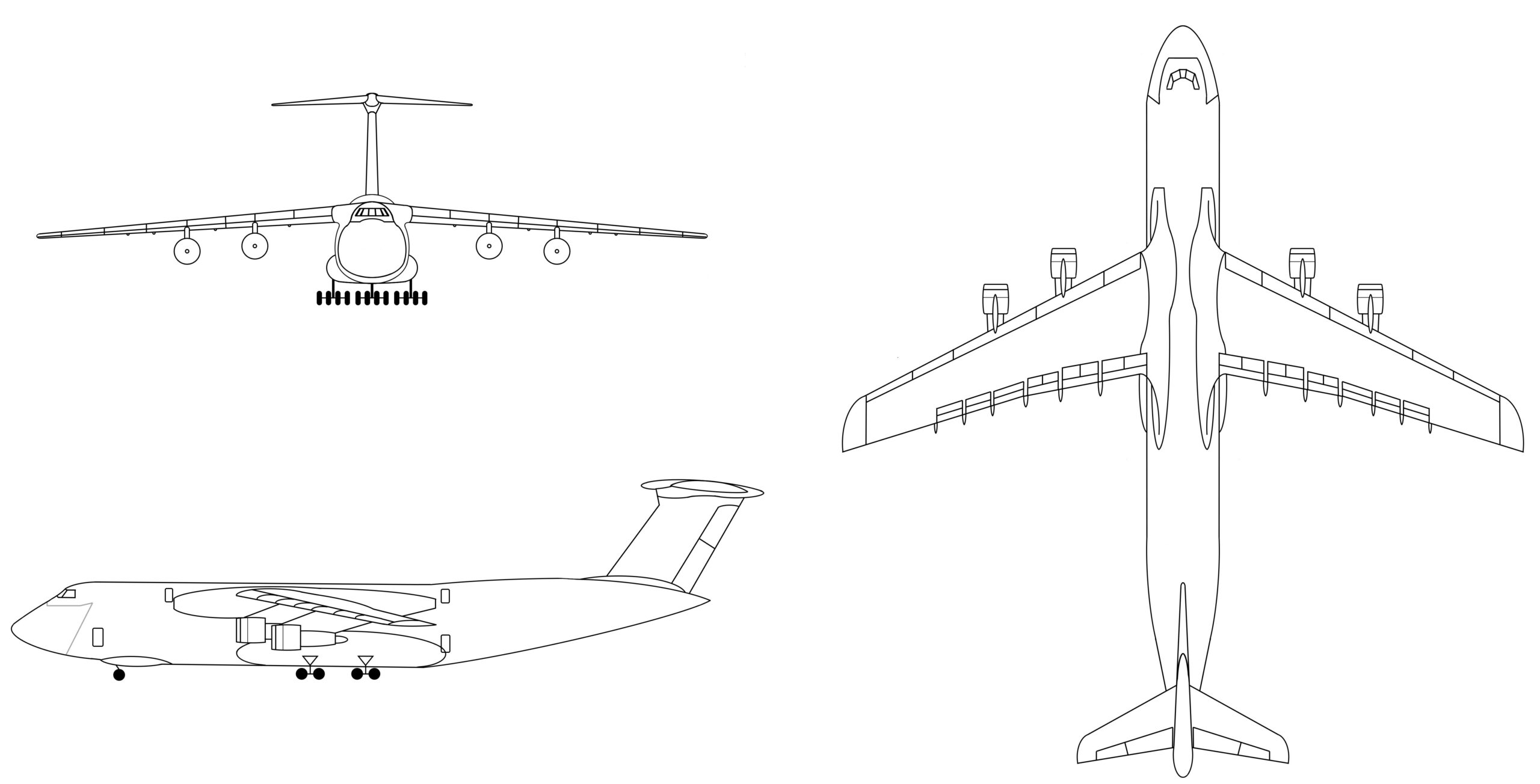 The C-5 Galaxy is the world’s third largest airplane currently in service. First flown in 1968, the C-5 can fly up to 1,000 tons of large equipment (including helicopters, battle tanks, and Humvees) to anywhere on the planet. With these capabilities, however, come costs. Operating such a large and heavy aircraft as the C-5 requires several complex systems to keep upwards of 1,000 tons in the air. Due to its extremely high maintenance and fuel demands, the plane has the highest operating cost of any U.S. Air Force (USAF) program. Addressing these issues would require either a retrofit of the C-5’s avionics systems so that it could fly in civilian airspace, or to purchase new cargo aircraft to supplement the C-5’s operations.
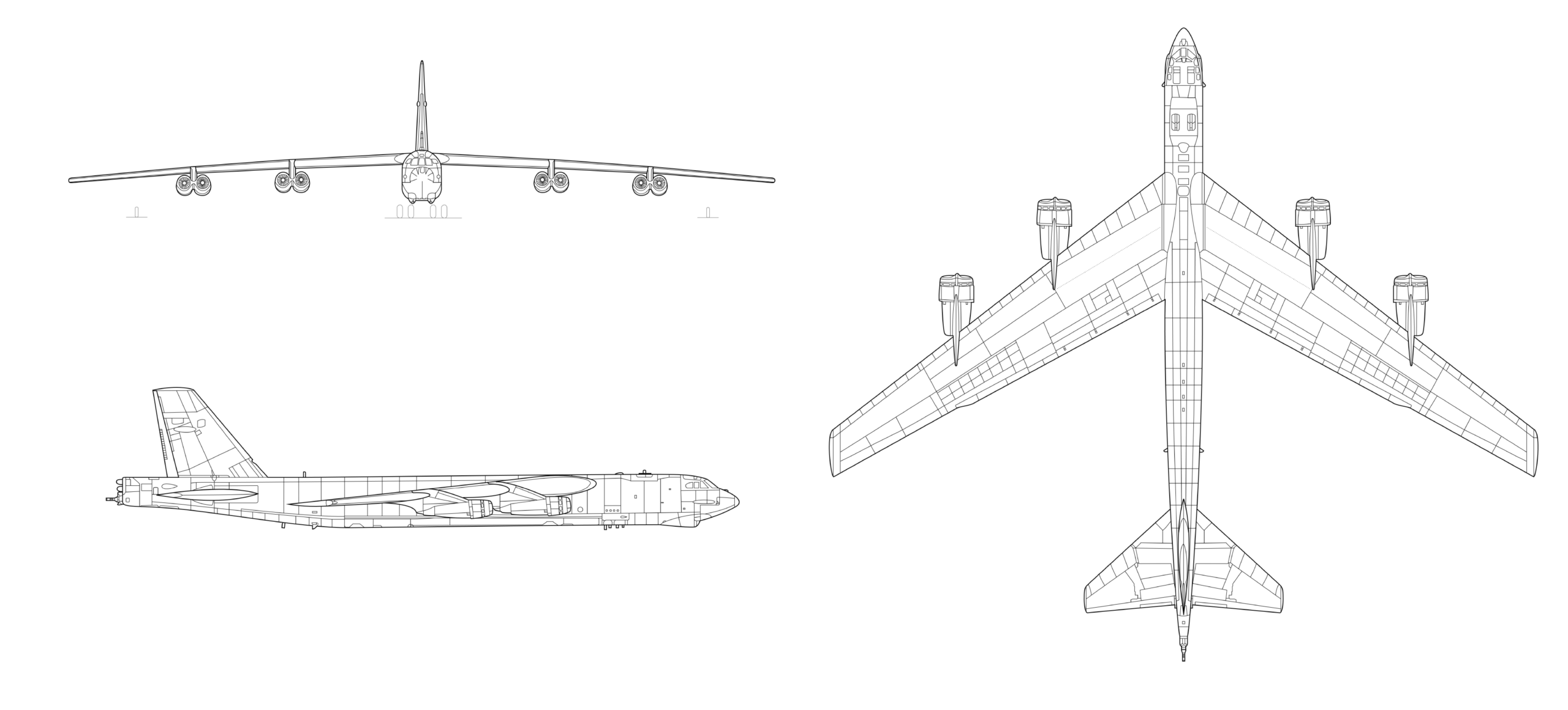 After seven decades in service, the B-52 Stratofortress has become synonymous with the concept of strategic bombers. They limit the risks of sending military personnel into hostile terrain and are instrumental in asymmetric warfare and peacekeeping operations. For instance, during the Cold War, the USAF employed strategic bombers to perform patrols and send airborne alerts to monitor and prevent nuclear action from the Soviet Union. However, the pods responsible for detecting and identifying targets featured outdated monitors with low resolution and no color imagery. The USAF would have to leverage advanced, full-color, high-resolution displays to maintain the effectiveness of the B-52’s peacekeeping missions and minimize collateral damage.
 The UH-60, now the most widely used military utility helicopter on the planet, has served in several armed conflicts and search-and-rescue operations in its over 50-year-long service time. But two variants of this utility helicopter were quickly approaching obsolescence. Their outdated control panels featured analog gauges and mechanical instrumentation, which are rarities in today’s aircraft. The difficulty of finding replacement parts threatened to make the whole helicopter inoperable. Moreover, incorporating modern navigational equipment like GPS required attaching external devices, which added weight and increased the electrical demands on the helicopter. A glass cockpit would greatly improve the availability of parts and keep the UH-60 in service for another twenty years.
When these aircraft have obsolete parts or are deemed too unreliable, the U.S. military initiates an aircraft modernization program (AMP) to extend their service time for decades ahead. An AMP saves years of development time and billions of dollars taxpayer money by improving existing aircraft rather than developing a new solution from scratch.
With its expertise in avionics and its extensive manufacturing capabilities, Intellisense Systems has won dozens of contracts to provide avionics systems and rugged displays for the most essential aircraft in the U.S Military. They have developed displays utilizing widely available parts that have a minimum 10-year obsolescence guarantee. They also employ a Modular Open Systems Approach (MOSA)-compliant design, which enables interoperability between programs as different as the large strategic bombers like the B-52 and infiltration helicopters like the UH-60.
A new case study from Intellisense explores these three aircraft modernization programs and how Intellisense helped fully modernize and future-proof them to extend their service time. It details the many challenges that the U.S. Military faced in retrofitting these decades-old aircraft, as well as how Intellisense developed a solution that was customizable to each platform in addition to reducing weight, costs, and power requirements.
The UH-60, now the most widely used military utility helicopter on the planet, has served in several armed conflicts and search-and-rescue operations in its over 50-year-long service time. But two variants of this utility helicopter were quickly approaching obsolescence. Their outdated control panels featured analog gauges and mechanical instrumentation, which are rarities in today’s aircraft. The difficulty of finding replacement parts threatened to make the whole helicopter inoperable. Moreover, incorporating modern navigational equipment like GPS required attaching external devices, which added weight and increased the electrical demands on the helicopter. A glass cockpit would greatly improve the availability of parts and keep the UH-60 in service for another twenty years.
When these aircraft have obsolete parts or are deemed too unreliable, the U.S. military initiates an aircraft modernization program (AMP) to extend their service time for decades ahead. An AMP saves years of development time and billions of dollars taxpayer money by improving existing aircraft rather than developing a new solution from scratch.
With its expertise in avionics and its extensive manufacturing capabilities, Intellisense Systems has won dozens of contracts to provide avionics systems and rugged displays for the most essential aircraft in the U.S Military. They have developed displays utilizing widely available parts that have a minimum 10-year obsolescence guarantee. They also employ a Modular Open Systems Approach (MOSA)-compliant design, which enables interoperability between programs as different as the large strategic bombers like the B-52 and infiltration helicopters like the UH-60.
A new case study from Intellisense explores these three aircraft modernization programs and how Intellisense helped fully modernize and future-proof them to extend their service time. It details the many challenges that the U.S. Military faced in retrofitting these decades-old aircraft, as well as how Intellisense developed a solution that was customizable to each platform in addition to reducing weight, costs, and power requirements.
