Today, Intellisense Systems is joining millions around the world to celebrate Earth Day and renew our commitment to protecting the environment. Here are some of the things we are doing to preserve our planet for future generations.
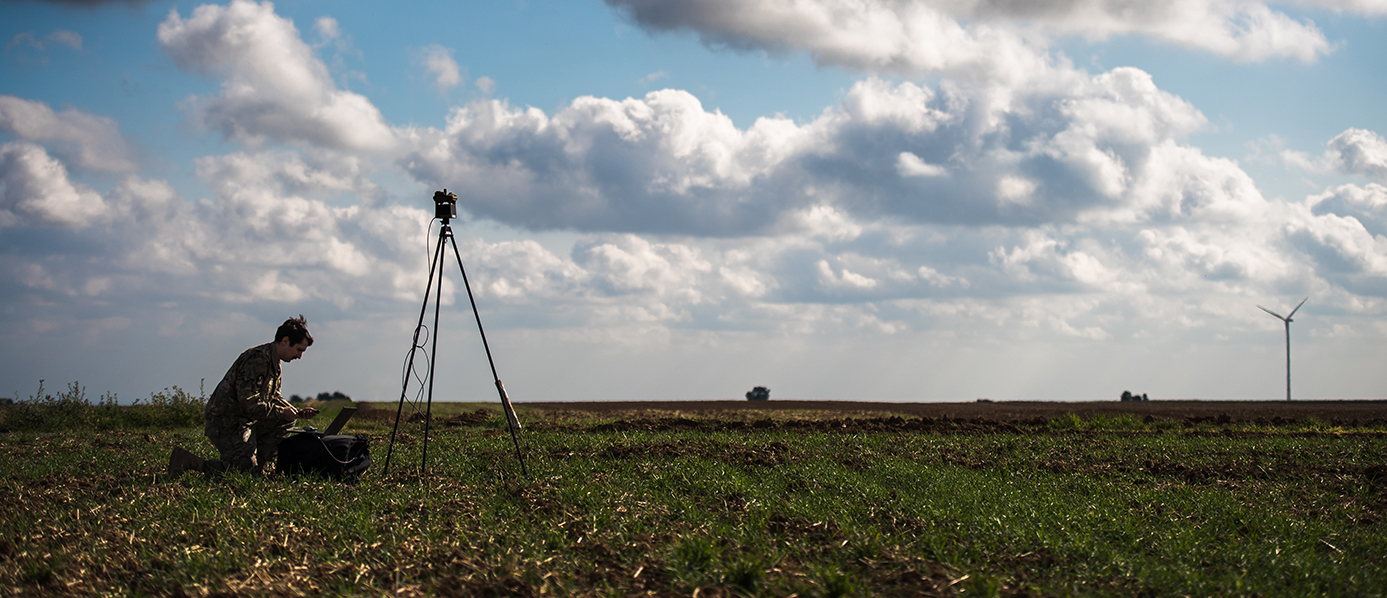
Last month was the warmest March ever recorded according to the National Oceanic and Atmospheric Administration. It was the tenth consecutive month in which climate scientists have measured the highest global temperatures since these records began in the mid-19th century. Warmer land and sea temperatures brought on by greenhouse gas emissions are linked to stronger tropical cyclones and hurricanes and more persistent wildfires. Fortunately, Intellisense Systems offers a multitude of environmental monitoring solutions that can observe and withstand these types of climatic catastrophes to ensure the safety of citizens and first responders.
But alarming statistics like this past month’s record-breaking temperatures show that our efforts must go beyond simply reacting to climate change and the intense weather it portends. Intellisense is taking steps to proactively reduce our environmental impact and put sustainability into practice. Five of these green initiatives are detailed below:
Reducing Carbon Emissions and Power Consumption
 Because running our homes, offices, and cars emits greenhouse gases that trap heat and contribute to global warming, Intellisense is devising ways to reduce its reliance on the electrical grid and the fossil fuels needed to power our lives. It starts with more sustainable business practices. Like many other offices around the world, our campus incorporates motion sensors and timers that automatically turn lights off in rooms that are not in use. Last year, we adopted a 9/80 schedule where, instead of working a traditional eight hours per day for five days a week, our staff had the option of working nine hours per day over a two-week period. This enabled our team members to take every other Friday off and make 26 fewer round trips to and from the office each year. This not only makes our employees happier, it also reduces the electrical burden of lights and HVAC with fewer people in the office. It also saves hundreds of gallons of gasoline per year in commuting. These are just a few small steps that Intellisense is taking to decrease our energy demands and their impact on the environment.
Electric Car Charging
 Our employees have been doing their part to reduce their carbon footprint by purchasing electric cars, which generate far less carbon dioxide and other greenhouse gases compared to their gasoline-powered counterparts. The U.S. Department of Energy concluded that most electric cars generate about a third of the carbon emissions of a gasoline-powered car over 11,000 miles of driving. To accommodate our staff and encourage them in their sustainability efforts, we now provide over a dozen electric car chargers at the office. While this may increase some demands on the electrical grid, these chargers encourage us and our employees to make a broader initiative to reduce greenhouse gas emissions from commuting. To encourage an even greater reduction in carbon emissions, the U.S. Environmental Protection Agency proposed a 56% cut in vehicle emissions by 2032, which would require two out of every three new vehicles sold in the United States to be electric. So Intellisense is planning ahead for an electrified driving future.
Creating More Sustainable Products
 Our environmental monitoring solutions are superlative in terms of size, ruggedness, and sustainability. Traditional weather stations and meteorological sensors require more power, raw material, and moving components that ultimately contribute to greenhouse gas emissions and waste. Our solutions incorporate ultrasonic, infrared, and lidar-based sensors, which means fewer metals and plastics compared to older products. Forgoing moving parts in favor of highly accurate solid state sensors has made our products more dependable and ensured a longer lifespan than less sustainable competitors. And because our environmental monitoring solutions use integrated solar power systems, they do not need to be connected to hardline power or the electrical grid and do not require power produced from sources that generate pollution. This further reduces demand for fossil fuels and their resultant emissions.
Cutting Down on Waste
In addition to reducing our electricity demands, Intellisense is implementing strategies to cut down on  wastefulness and decrease consumption, which benefits both our planet and our customers. Intellisense now conducts much of its business on a secure cloud-based platform that is easily accessible to employees across the United States. This not only ensures operational security for critical programs and projects, but it greatly reduces the power and cooling requirements of servers and the need for paper and other office supplies. Our company also supports recycling and e-waste services to minimize what we send to the landfill.
Empowering Environmental Initiatives
Products from Intellisense Systems have helped communities and businesses respond to weather conditions that are intensifying because of global warming. Through record-setting storms and wildfires, our rugged, autonomous sensors have alerted residents to dangerous conditions and ensured the safety of first responders.  And now these solutions are being used in projects that are proactively combating the effects of climate change. To explore the efficacy of geothermal power (which could produce 99% less carbon dioxide than similarly sized fossil fuel power plants), multiple Micro Weather Stations have been installed on glaciers and volcanic islands to monitor weather conditions and let researchers know when it is safe to venture out to these remote locations.
Sustainability is one of the core tenets of Intellisense, and we are committed to reducing our environmental impact to preserve our planet for future generations. We look forward to contributing to more initiatives like the construction of solar arrays and wind farms that proactively reduce emissions and lessen the potential consequences of climate change.